
Birding
Hullett Marsh is a premier destination for birding, situated at the unique intersection of the Atlantic and Mississippi flyways. Its expansive landscape hosts a mosaic of open water pools, cattail marshes, treed swamps, upland forests, and grasslands that provides critical habitat for an extraordinary range of avian species throughout the year.
The spring season is particularly spectacular, as mid-April brings thousands of migrating waterfowl, while the month of May offers birders the chance to witness the vibrant arrival of migratory songbirds moving through the greening woodlands.
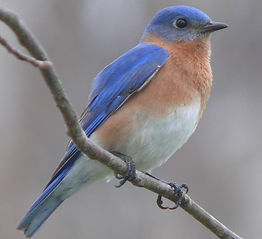
Beyond the seasonal migrations, the Marsh supports a diverse community of resident breeders, from grassland species like Bobolinks to Great Blue Herons stalking the shallows. Visitors can take advantage of strategically placed viewing stands for excellent panoramic views or explore the network of dykes and trails to experience the Marsh up close. Whether you are observing a Bald Eagle over the South Maitland River or tracking the song of an Eastern Meadowlark, Hullett Marsh provides an immersive and ever-changing experience for birding enthusiasts of all levels.
Looking to make the most of your birding experience at the Marsh? Here's a few tips:
April for peak waterfowl migration and May for the arrival of migratory songbirds.
Multiple viewing stands and miles of accessible dyke-top trails permit views and access into the heart of Hullett. Exploring all the Marsh has to offer is the key to seeing all the species that call Hullett home.
In Huron County, Hullett is the only reliable spot for a variety of specialized marsh species and waterfowl on migration. If you're looking to improve a county list visiting Hullett is a necessity.
Please remain mindful of seasonal nesting periods and hunting schedules to ensure both personal safety and habitat protection.

.jpg)


.jpg)


.jpg)

MotusAudio
In 2026, the Friends of Hullett partnered with researchers from the University of Windsor to deploy a monitoring station as part of an ambitious nationwide project called MotusAudio. This innovative system detects the high-frequency vocalizations made by birds during migration, known as nocturnal flight calls. These short, often high-pitched acoustic signals vary by species and species-groups, allowing researchers to identify specific birds as they pass through the airspace overhead.
The specialized monitoring unit is stationed at the Hullett Office, where it continuously collects automated acoustic data. This research is accessible to the public; visitors can view real-time data by visiting the MotusAudio dashboard, locating the Hullett station on the interactive map, and reviewing the species recorded moving through the area.
For birders analyzing local movement before heading into the field, as well as those interested in the broader science of avian migration, MotusAudio offers an unprecedented look at local wildlife. By capturing the acoustic activity of the night skies, this technology illuminates a vital, yet previously unobserved, dimension of Hullett's diverse bird life.

